
Fire Restoration Timing and Process

Spring and summer are ideal for fire restorations due to favorable weather conditions that facilitate drying and repairs.
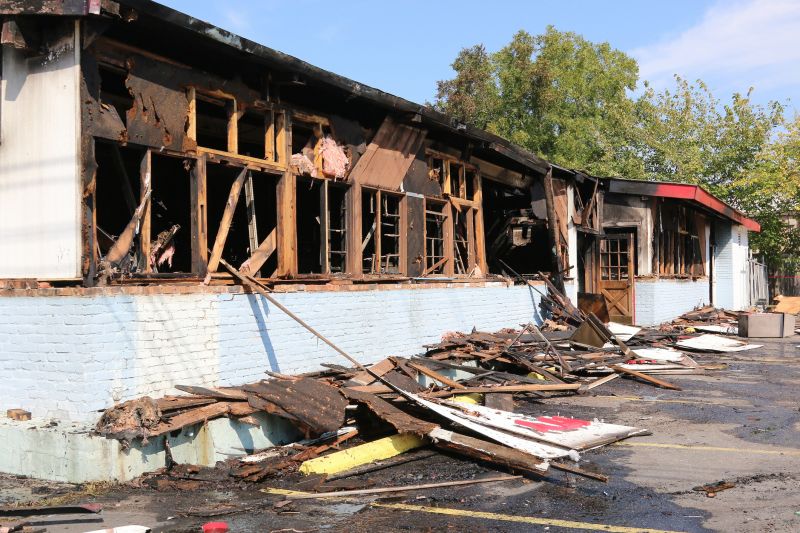
Late spring and early fall often see lower demand, allowing for quicker scheduling and completion of restoration projects.
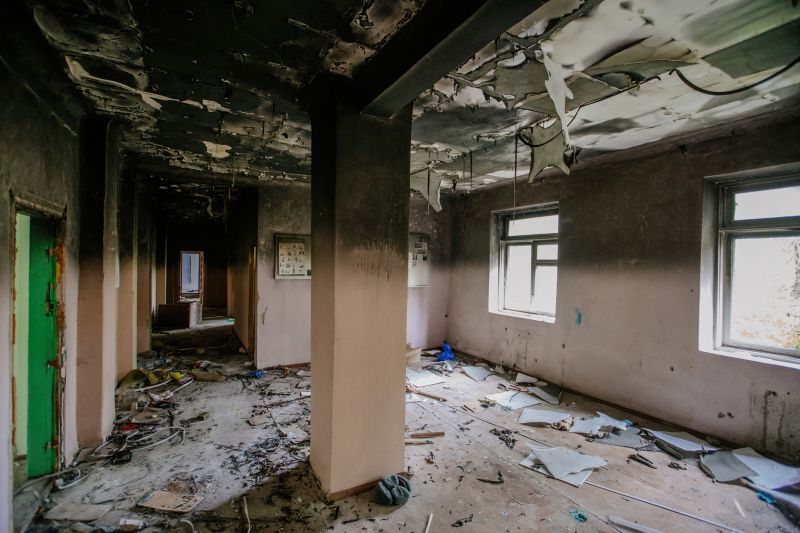
Ways to make Fire Restorations work in tight or awkward layouts.
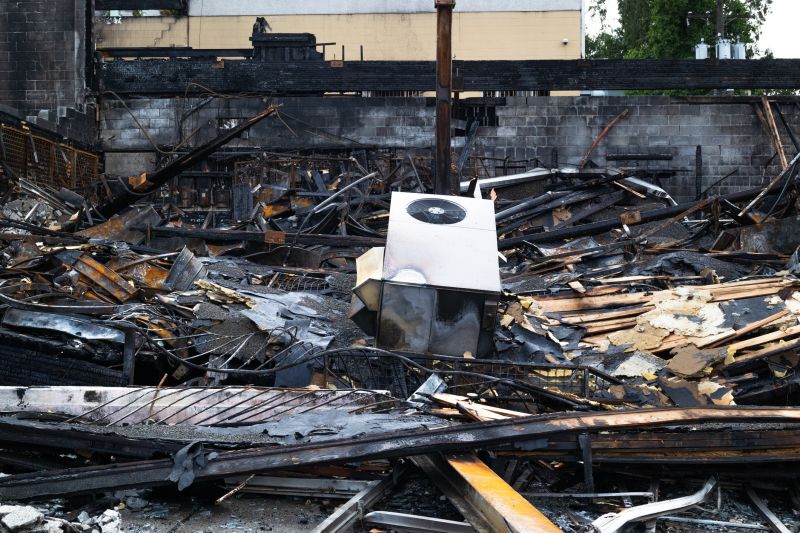
Popular materials for Fire Restorations and why they hold up over time.
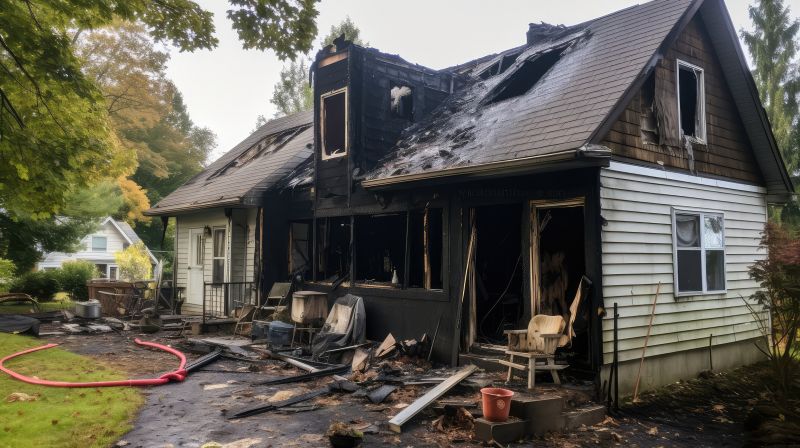
Simple add-ons that improve Fire Restorations without blowing the budget.
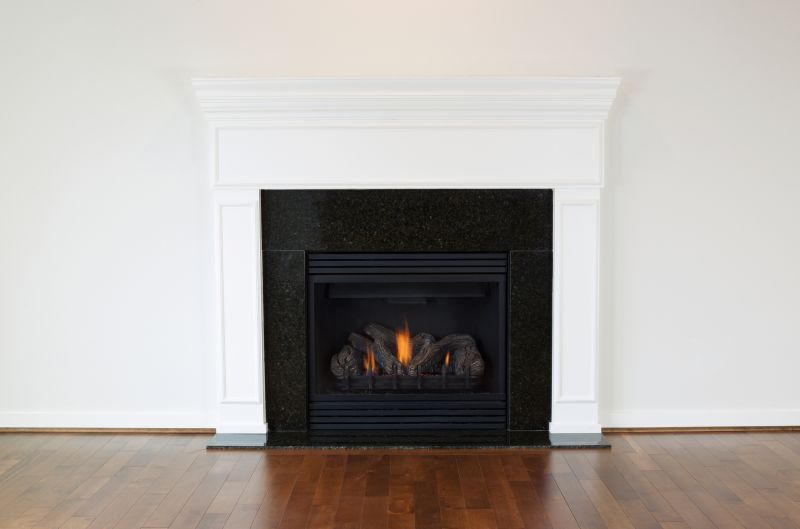
High-end options that actually feel worth it for Fire Restorations.

Finishes and colors that play nicely with Fire Restorations.
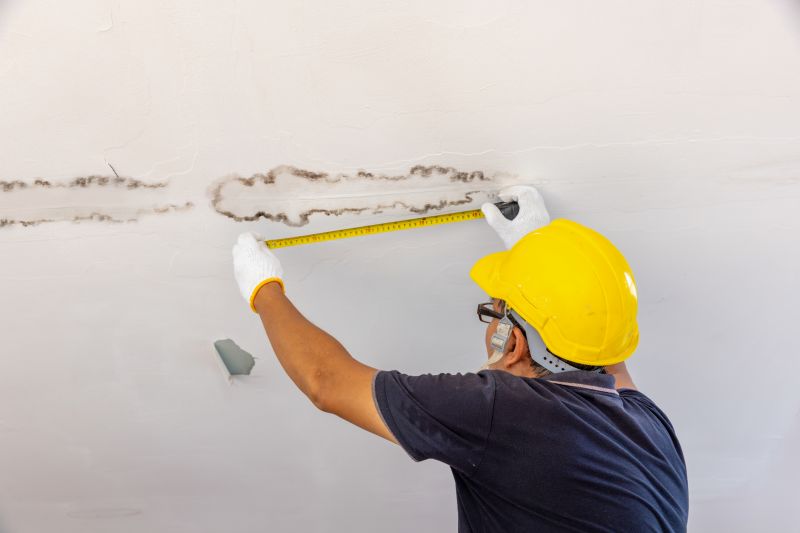
Little measurements that prevent headaches on Fire Restorations day.
Fire restorations involve the process of repairing and restoring properties damaged by fire, smoke, and water used during firefighting efforts. This process includes cleaning soot and smoke residues, removing damaged materials, and restoring structural integrity. Proper timing of restorations can influence the effectiveness and cost-efficiency of the work. Typically, the best time for fire restorations aligns with periods of stable weather, allowing for thorough cleaning, drying, and rebuilding without weather-related delays.
Addressing fire damage promptly prevents mold growth, structural deterioration, and further property loss.
According to recent data, fire damage accounts for a significant portion of property insurance claims annually, emphasizing the need for swift restoration.
The process includes assessment, cleaning, repairs, and reconstruction, which can be optimized when performed at the right time.
| Season | Optimal Activities |
|---|---|
| Spring | Structural repairs and cleaning |
| Summer | Drying and reconstruction |
| Fall | Inspection and preventative measures |
| Winter | Limited outdoor work, focus on indoor repairs |
Proper timing for fire restorations can lead to more efficient and cost-effective results. Planning restorations during periods of favorable weather reduces delays caused by rain, humidity, or cold temperatures. Additionally, scheduling during off-peak seasons can lead to shorter wait times for service providers and better resource availability.
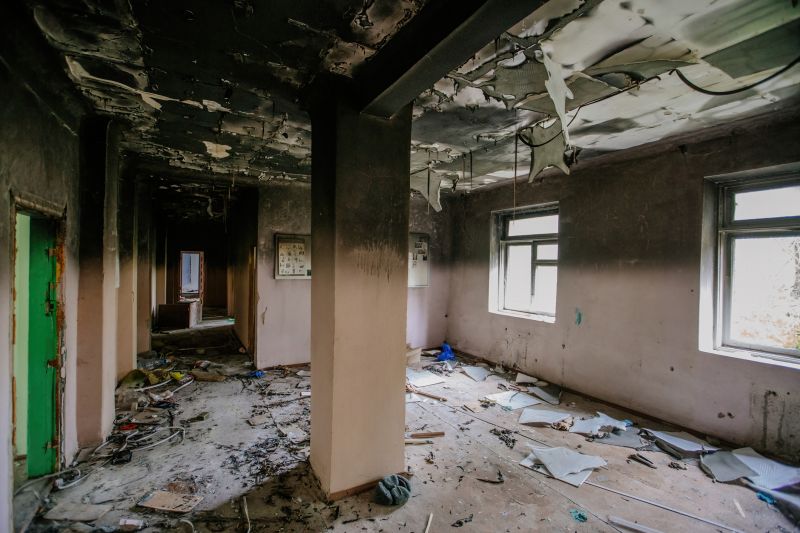
Removing soot and smoke residues is critical to restore property and health safety.
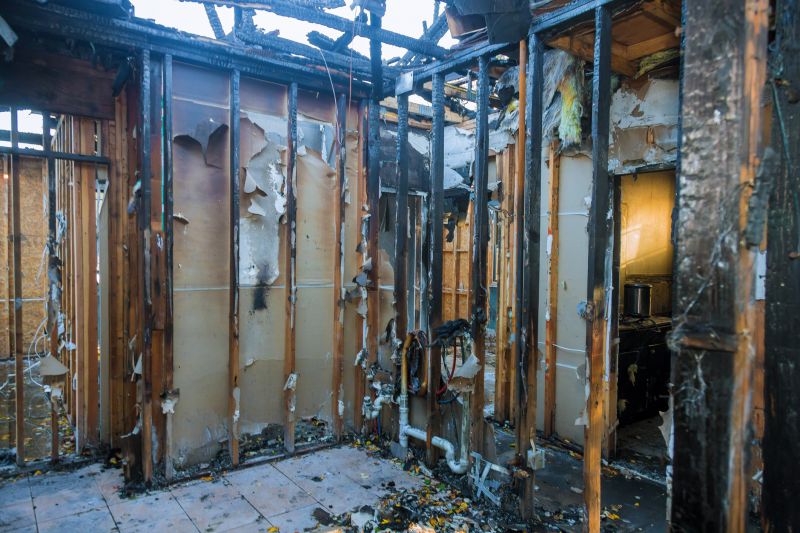
Restoring damaged beams, walls, and roofing ensures property stability.
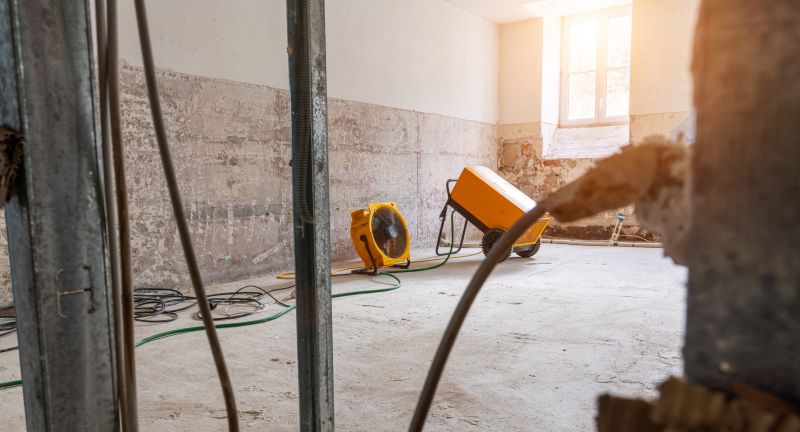
Drying and water removal are essential after firefighting efforts.
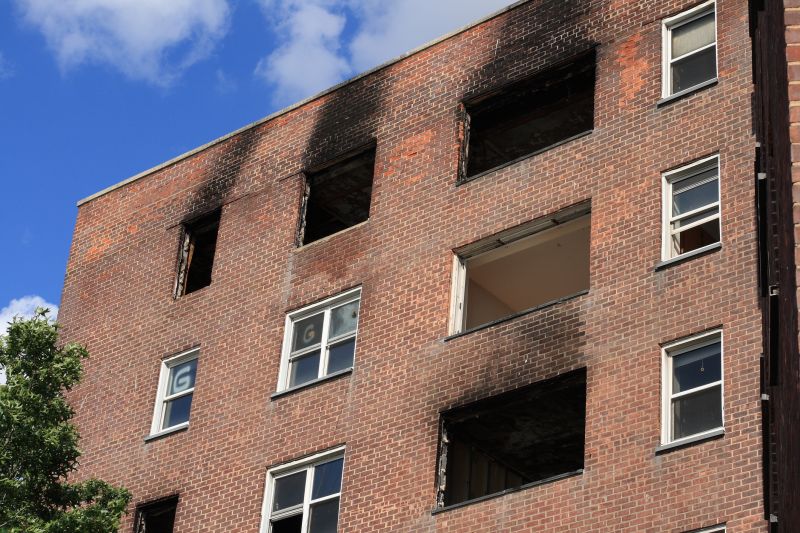
Final phase involving restoring the property's original condition.

A 60-second routine that keeps Fire Restorations looking new.
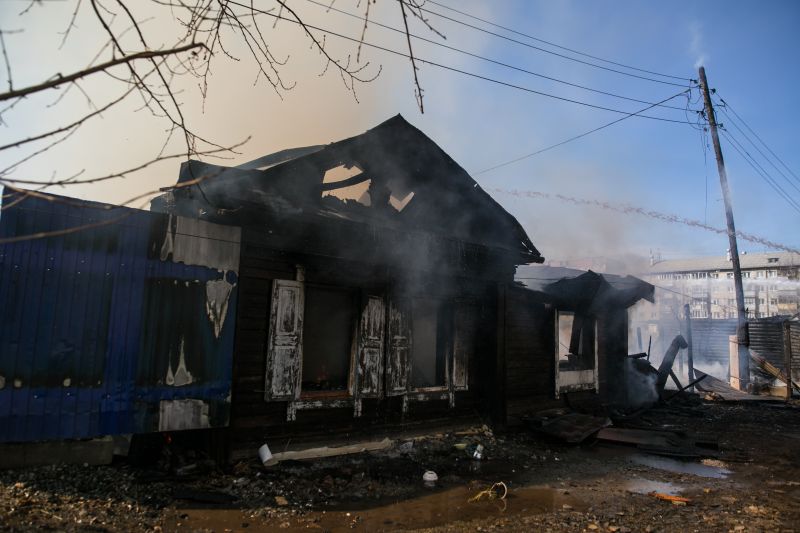
A frequent mistake in Fire Restorations and how to dodge it.
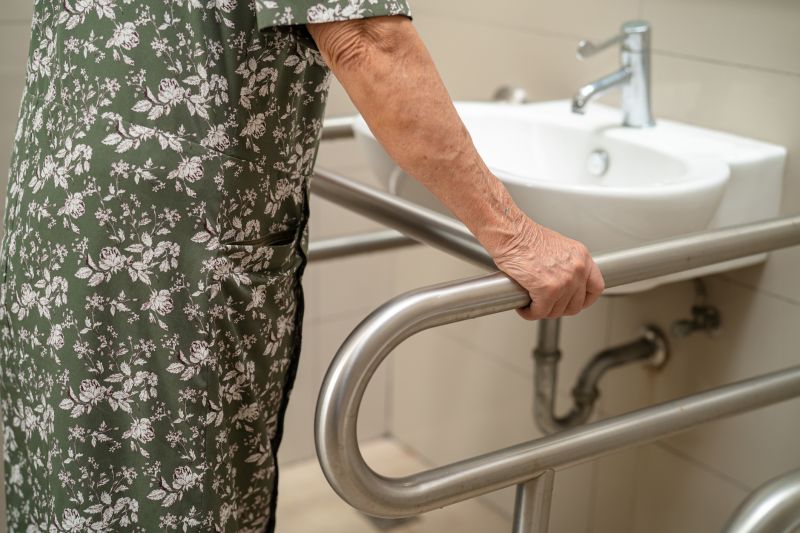
Small tweaks to make Fire Restorations safer and easier to use.
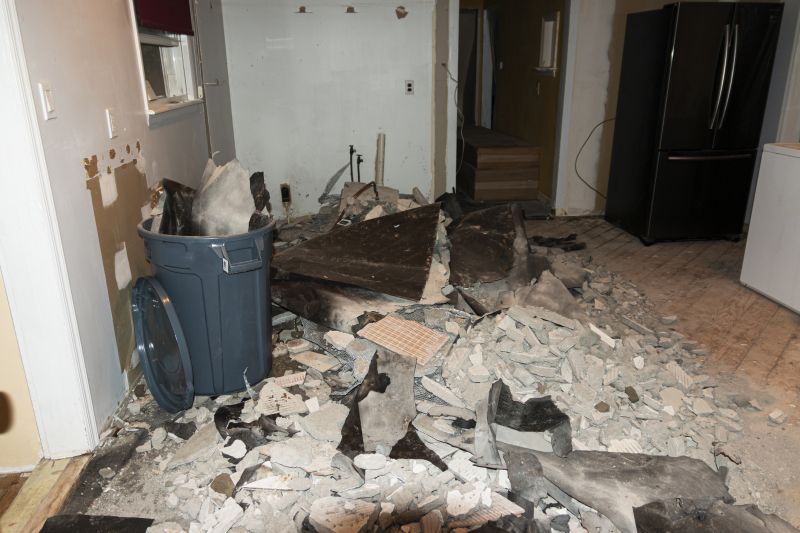
Lower-waste or water-saving choices for Fire Restorations.
Understanding the optimal timing for fire restorations can help property owners minimize downtime and reduce costs. Immediate response is crucial, but scheduling during suitable weather conditions enhances the quality and durability of repairs.