
Leading Fire Restoration Supplies For Property Recovery
Identify key products that facilitate comprehensive fire damage cleanup and ensure a safe restoration process.
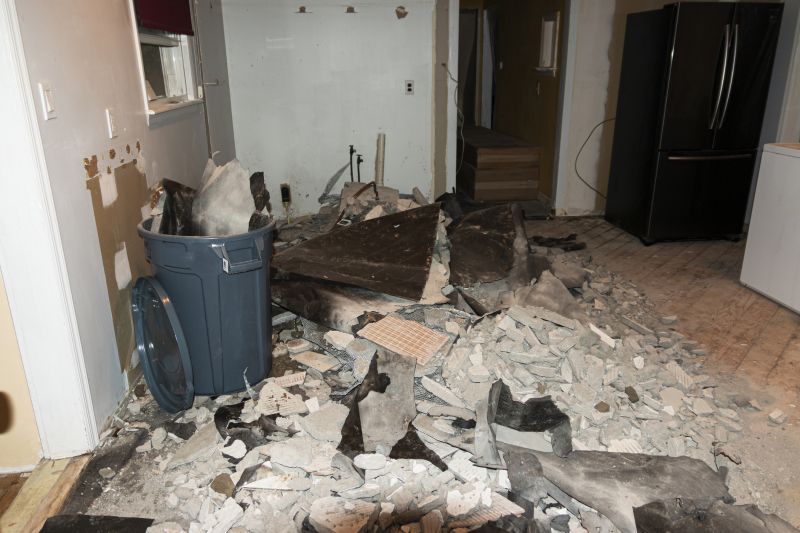 Fire restoration products play a crucial role in the process of recovering a property after a fire incident. These products are designed to address a variety of challenges, including soot and smoke damage, structural integrity concerns, odor removal, and cleanup of hazardous residues. When selecting fire restoration supplies, it is important to consider the specific needs of the affected area, the extent of damage, and the safety standards associated with each product.
Top Overall Option
Comprehensive Fire Damage Restoration Kit
A well-rounded fire damage restoration kit typically includes cleaning agents, odor neutralizers, protective gear, and equipment such as air scrubbers and moisture meters. These kits are designed to provide a versatile set of tools for addressing various aspects of fire damage, making them suitable for both professional restorers and DIY enthusiasts. When selecting a kit, consider the range of included products, ease of use, and safety features to ensure effective and safe restoration efforts.
Types of Products For Fire Restorations
Soot and Smoke Cleaning Agents
Specialized cleaners formulated to remove soot and smoke residues from surfaces and materials.
Odor Neutralizers
Products designed to eliminate persistent smoke odors from indoor environments.
Fire-Resistant Sealants
Sealants used to prevent smoke and fire from spreading through cracks and openings.
Protective Clothing and Gear
Personal protective equipment including masks, gloves, and coveralls for safety during cleanup.
Air Scrubbers and HEPA Filters
Equipment used to improve indoor air quality by removing airborne contaminants.
Moisture Meters and Dehumidifiers
Tools to monitor and control moisture levels to prevent mold growth post-fire.
Thermal Imaging Cameras
Devices used to detect hidden hotspots and assess structural damage.
Fire-Resistant Drywall and Insulation
Materials used for rebuilding and restoring fire-damaged structures.
Electrostatic Cleaning Devices
Tools that use static electricity to attract and remove soot particles effectively.
Chemical Sponges
Absorbent sponges designed to lift soot and smoke residues without spreading contamination.
Water-Based Fire Retardants
Solutions used to prevent further fire spread during restoration.
Structural Reinforcement Materials
Products that provide additional support to compromised structures.
Cleaning Wipes and Cloths
Disposable wipes and cloths for quick and effective surface cleaning.
Deodorizing Sprays
Sprays designed to neutralize lingering smoke smells on fabrics and surfaces.
Fire Damage Assessment Tools
Equipment used to evaluate the extent of fire and smoke damage accurately.
Hazardous Material Disposal Bags
Specialized bags for safe disposal of contaminated debris and materials.
Popular Choices
Effective for lifting soot from various surfaces with minimal abrasion.
Gels that absorb and neutralize smoke odors over time.
Portable units that trap fine particles and improve indoor air quality.
Coatings that help prevent fire spread and protect surfaces during restoration.
Tools that attract and remove soot and dust efficiently from surfaces.
Pre-packaged sets containing multiple cleaning agents tailored for smoke damage.
Powerful solutions for eliminating stubborn smoke smells.
Building materials that provide enhanced fire resistance for rebuilding.
Masks designed to filter out harmful particles during cleanup.
Tools for identifying hidden moisture that can cause mold growth.
Sprays formulated to neutralize smoke residues on various surfaces.
Reinforcement components used during structural repairs.
High-absorbency cloths suitable for detailed cleaning tasks.
Devices that help visualize damage in hard-to-reach areas.
Sprays designed to leave a fresh scent after smoke odor removal.
Pre-moistened wipes for quick surface decontamination.
Digital tools to help evaluate and document damage for insurance claims.
Effective fire restoration involves a combination of cleaning agents, protective gear, odor neutralizers, and specialized equipment that can help mitigate further damage and facilitate the restoration process. Proper use of these products can help restore the property to a safe and habitable condition, while also ensuring compliance with safety regulations. It is advisable to choose products that are versatile, reliable, and suitable for various surfaces and materials involved in fire damage scenarios.
In addition to cleaning and odor control, restoration efforts often require moisture control tools, air scrubbers, and HEPA filters to remove airborne contaminants and improve indoor air quality. The right combination of products can significantly enhance the efficiency of fire damage mitigation and reduce the overall time and cost of restoration. Whether working on residential or commercial properties, having a comprehensive set of fire restoration products is essential for achieving thorough and safe results.
Ultimately, selecting the appropriate products for fire restoration depends on understanding the specific damage types, safety considerations, and the scope of work. Consulting with professionals and adhering to industry standards can help ensure that the chosen products meet the necessary criteria for effective and safe restoration efforts.
Key Buying Considerations
- Identify the specific type of damage (soot, smoke, structural) to select appropriate products.
- Ensure products are compatible with various surfaces such as drywall, wood, and fabric.
- Prioritize safety features, including non-toxic formulations and protective gear.
- Check for ease of use and application methods suitable for your skill level.
- Consider the size and coverage area of cleaning agents and odor neutralizers.
- Evaluate the durability and longevity of fire-resistant building materials.
- Look for products that can be used in conjunction with other restoration tools.
- Assess the ventilation requirements for certain chemical cleaners or sprays.
- Determine whether products are suitable for residential or commercial restoration projects.
- Review manufacturer instructions and safety data sheets for proper handling.
- Choose versatile products that address multiple aspects of fire damage.
- Consider eco-system compatibility if applicable, even if not environmentally focused.
- Factor in storage and transportation considerations for larger equipment or chemicals.
- Verify the availability of replacement parts or refills for ongoing use.
- Consult with fire restoration professionals for product recommendations and best practices.
This content contains affiliate links and we may earn a commission if you make a purchase through them. This does not influence our recommendations or opinions.